

Introduction
Cable management is an essential part of modern electrical infrastructure. From manufacturing plants and commercial buildings to data centres, renewable energy projects, and industrial facilities, a reliable cable tray system helps organize, support, and route electrical cables safely and efficiently. However, choosing the right product is only one part of the purchasing process. Selecting the right supplier is equally important.
When sourcing cable trays, buyers generally have two options: purchasing from a cable tray manufacturer or buying through a trader or distributor. Although both options can fulfil procurement requirements, they differ in manufacturing access, customization, quality assurance, technical coordination, and overall project management.
For contractors, electrical consultants, EPC companies, procurement teams, and industrial buyers, understanding these differences can help prevent unnecessary delays and make purchasing decisions more efficient.
Buying directly from a manufacturer can provide better visibility into product specifications, material selection, fabrication, and finishing processes. It can also simplify communication when a project requires specific dimensions, materials, or accessories.
In this guide, BNY Metalcoat explores the key differences between a cable tray manufacturer and a trader, explains the benefits of direct purchasing, and outlines what buyers should evaluate before selecting a supplier.
In This Guide
What Is a Cable Tray Manufacturer?
A cable tray manufacturer is a company that produces cable management systems using fabrication processes, suitable raw materials, and defined production procedures. Depending on its facilities and capabilities, the manufacturer may handle design coordination, cutting, punching, bending, fabrication, finishing, inspection, and packaging.
A manufacturer can offer different cable tray configurations according to project requirements, including:
- Perforated cable trays: For cable support with ventilation. See perforated cable trays.
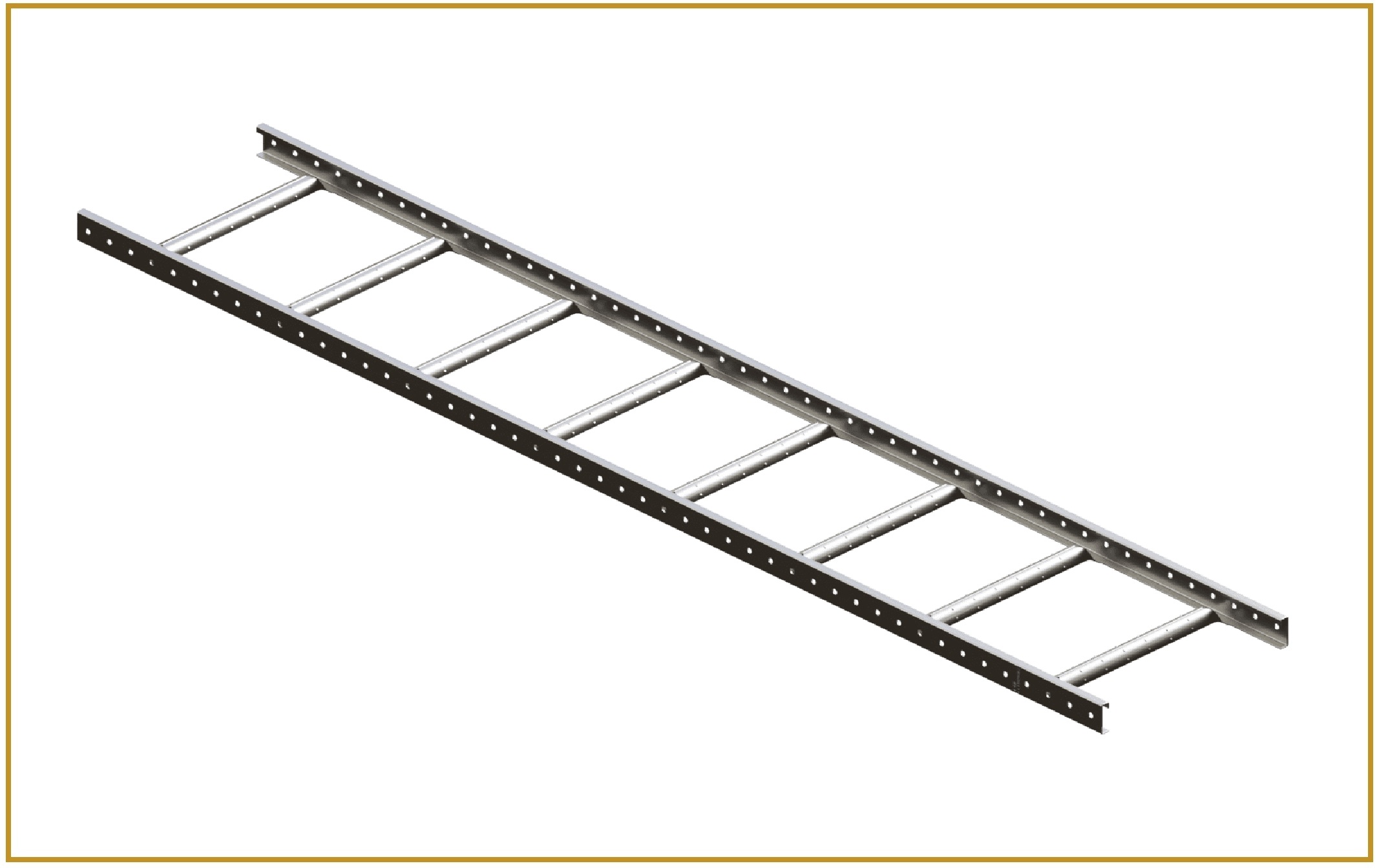
- Ladder cable trays: For suitable heavy-duty cable routing applications. See ladder type cable trays.
- GI cable trays: For applications requiring galvanized steel. See GI cable trays.
- Hot-dip galvanized cable trays: For suitable environments requiring enhanced corrosion protection. See hot-dip galvanized cable trays.
- Stainless steel cable trays: For applications where corrosion resistance is an important consideration. See stainless steel cable trays.
- Powder-coated cable trays: For applications requiring a protective finish and a specified appearance. See powder-coated cable trays.
- Wire mesh cable trays: For suitable lightweight and flexible cable routing installations. See wire mesh cable trays.
A capable manufacturer can also coordinate complementary components, such as bends, tees, crosses, reducers, covers, couplers, and supports.
For example, BNY Metalcoat Pvt. Ltd. manufactures cable trays, raceways, and electrical support systems for industrial, commercial, and infrastructure applications. Its product range includes multiple tray types and material finishes to accommodate different installation requirements.
Choosing a manufacturer gives buyers a more direct route to the people responsible for producing the cable management system.
What Is a Cable Tray Trader?
A cable tray trader purchases products from manufacturers or other suppliers and resells them to customers. Traders may operate as distributors, stockists, or trading companies serving contractors, electrical dealers, and project procurement teams.
The primary role of a trader is to source products and make them available to customers. Depending on the business model, traders may maintain ready stock, coordinate deliveries, and supply products from multiple manufacturers.
Buying through a trader can be useful when a customer needs standard products quickly, requires small quantities, or prefers to consolidate purchases through one supplier.
However, a trader may not have direct control over the manufacturing process. Questions about material thickness, fabrication tolerances, coating quality, customized dimensions, or production schedules may need to be referred to the original manufacturer.
For projects with detailed specifications or customized cable tray requirements, that distinction can have a significant impact on coordination and execution.
Cable Tray Manufacturer vs Trader: Key Differences
Understanding the differences between a manufacturer and a trader helps businesses choose a sourcing partner that matches their project requirements.
| Comparison Factor | Cable Tray Manufacturer | Cable Tray Trader |
|---|---|---|
| Product source | Produces products in its manufacturing facility or through its own production operations | Sources products from manufacturers or other suppliers |
| Customization | Can coordinate customized dimensions and configurations within its capabilities | Usually depends on the manufacturing partner for customization |
| Quality control | Can provide visibility into its own production and inspection processes | Relies on supplier documentation and quality checks |
| Technical communication | Direct communication with manufacturing and technical teams may be possible | Technical queries may need to pass through another party |
| Pricing structure | Direct quotation without a separate resale layer, although savings are not guaranteed | Pricing may include the trader's margin and service costs |
| Order flexibility | Depends on production capacity, minimum quantities, and scheduling | May offer flexibility for standard products available in stock |
| Delivery | Depends on production schedules, material availability, and logistics | May deliver stocked items quickly or depend on upstream supply |
| Project coordination | Can coordinate product specifications and manufacturing-related changes directly | Coordinates through its supply network |
The most suitable option depends on order size, technical complexity, availability, delivery requirements, and the level of support needed. For standard products that are readily available, a trader may be convenient. For projects requiring customized specifications, direct manufacturer engagement can offer meaningful advantages.
Why Buying Directly from a Cable Tray Manufacturer Matters
A. Better Control Over Product Quality
Cable tray quality affects installation, mechanical performance, durability, and long-term maintenance. Important factors include material grade, sheet thickness, dimensions, fabrication accuracy, joint compatibility, and surface finish.
When buying directly from a cable tray manufacturer, customers can ask specific questions about these factors and request relevant inspection records or technical documents.
A manufacturer may also explain how its quality checks cover incoming materials, fabrication, finishing, and final inspection. This information helps procurement teams assess whether the product matches the approved specification.
However, buying directly does not automatically guarantee better quality. Buyers should verify the manufacturer's quality procedures, product documentation, and compliance with the standards specified for their project.
B. Greater Customization Flexibility
Not every electrical installation can use standard cable tray dimensions. Industrial plants, process facilities, commercial buildings, and infrastructure projects may require specific widths, depths, thicknesses, lengths, or fittings.
A direct relationship with a cable tray manufacturer can simplify discussions about these requirements. Depending on its capabilities, a manufacturer may offer customized:
- Tray widths, depths, and sheet thicknesses.
- Straight lengths and fabricated sections.
- Horizontal bends and vertical risers.
- Tees, crosses, and width reducers.
- Covers, couplers, and support arrangements.
- Materials and protective finishes.
For example, a project exposed to moisture or corrosive conditions may require a particular material and coating system. Discussing the operating environment directly with the manufacturer can help buyers identify a suitable configuration.
Customization remains subject to engineering requirements, material availability, tooling, production capacity, and commercial terms.
C. Clearer Pricing and Cost Evaluation
Price is an important purchasing factor, but the lowest quoted price does not always represent the best overall value.
When buying through an intermediary, the quoted amount may include resale margins and additional handling or service costs. A manufacturer may be able to quote directly against the required specifications and quantity.
Nevertheless, direct purchasing is not automatically cheaper. Manufacturers may have minimum order quantities, setup costs, packaging charges, or freight expenses that affect the final price.
To make a meaningful comparison, buyers should request itemized quotations covering:
- Material grade and thickness.
- Tray type, dimensions, and finish.
- Quantity and accessories.
- Packaging and transportation.
- Taxes and other applicable charges.
- Delivery schedule and payment terms.
Comparing quotations against the same technical specification helps prevent decisions based solely on an attractive initial price.
D. Direct Technical Support
Cable tray selection involves more than choosing a product name or width. Buyers must consider cable quantity, cable weight, installation environment, support spacing, tray loading, ventilation, and future expansion.
A direct conversation with a manufacturer can help clarify product-specific questions before an order is placed.
For instance, a procurement team may need to confirm whether a particular tray profile is suitable for a proposed support span or whether a specified finish is appropriate for an outdoor installation. The manufacturer can provide available product data and identify information that still requires engineering approval.
This direct communication can reduce misunderstandings between the buyer, consultant, contractor, and supplier.
For critical installations, load capacity and structural suitability should always be established using appropriate engineering data rather than general assumptions. Read our guide on cable tray load capacity and support spacing for more detail.
E. Better Coordination for Project Orders
Large electrical projects frequently require multiple tray types, accessories, and delivery stages. A mismatch between straight sections, bends, reducers, and couplers can create installation difficulties.
Working directly with a cable tray manufacturer can make it easier to coordinate these components against a bill of quantities (BOQ), tray schedule, or approved drawing.
It can also provide a clearer communication channel when specifications change or additional components are required.
Actual delivery performance depends on production capacity, material availability, order confirmation, and logistics. Therefore, buyers should obtain a written delivery schedule and clarify how changes will be handled before confirming an order.
F. Better Product Traceability and Documentation
Industrial and infrastructure projects often require records of material specifications, dimensions, finishes, inspection results, and applicable standards.
A manufacturer may be able to provide product datasheets, dimensional drawings, material information, and quality documents relevant to the supplied items.
Buyers should confirm which documents are available before placing the order. They should also verify that any claimed certification or standards compliance applies to the specific product being purchased.
Documentation is particularly important when project specifications require formal inspection, approval, or traceability.
G. Improved Long-Term Procurement Relationships
Cable tray requirements may continue beyond a single purchase. Maintenance, plant expansion, equipment upgrades, and new construction phases can create a need for additional components.
Building a direct relationship with a manufacturer can make repeat orders easier to coordinate, particularly when product specifications and drawings have been recorded accurately.
A dependable supplier relationship can support consistent specifications, clearer communication, and more efficient planning over time.
How to Choose the Right Cable Tray Manufacturer
Before finalizing a supplier, evaluate its manufacturing capabilities, product range, technical support, and ability to meet your project requirements. Consider the following checklist:
- Manufacturing capabilities: Understand which fabrication and finishing processes the company performs in-house and which it outsources.
- Product range: Check whether it supplies the required perforated, ladder, GI, stainless steel, or other specified cable tray systems.
- Material and finish options: Confirm the grade, thickness, coating, and corrosion protection required for the installation.
- Quality documentation: Request applicable product specifications, inspection records, and supporting compliance documents.
- Customization: Verify whether the manufacturer can meet your drawings, dimensions, and accessory requirements.
- Technical support: Assess its ability to clarify product specifications and provide relevant engineering data.
- Production and delivery: Confirm production lead times, dispatch arrangements, and order quantities.
- Commercial transparency: Review the complete quotation, payment terms, warranty conditions, and applicable taxes.
A structured evaluation helps procurement teams select a supplier based on measurable requirements rather than price alone.
Why Consider BNY Metalcoat for Cable Tray Requirements?
BNY Metalcoat Pvt. Ltd. provides cable trays, raceways, and electrical support systems for industrial, commercial, and infrastructure applications. Its product range includes perforated cable trays, ladder trays, wire mesh trays, GI trays, hot-dip galvanized trays, powder-coated trays, and stainless steel options.
The company also describes manufacturing processes that include fabrication, finishing, quality inspection, packaging, and delivery coordination. Its published product information can help buyers explore available configurations before discussing project-specific requirements.
Businesses evaluating BNY Metalcoat can review the following resources:
- Explore the cable tray product range.
- Learn about perforated cable trays.
- Review GI cable tray solutions.
- Explore hot-dip galvanized cable trays.
- View stainless steel cable trays.
- Learn more about the company on its About Us page.
For a quotation, buyers can prepare their BOQ, cable tray schedule, drawings, required quantities, material specifications, finish requirements, and delivery location. Sharing this information helps the supplier evaluate the requirement more accurately.
Which Option Is Better for Your Project: Manufacturer or Trader?
The right choice depends on the nature of your procurement requirement.
- Choose a cable tray manufacturer when you need customized dimensions, project-specific configurations, technical coordination, manufacturing documentation, or repeat orders with consistent specifications.
- Consider a trader when you need readily available standard products, smaller quantities, consolidated purchases, or quick access to stocked materials.
Before making a decision, compare the complete cost, product quality, delivery commitment, documentation, and after-sales support offered by each supplier.
For large industrial projects, working directly with a manufacturer can improve coordination between product specifications and manufacturing requirements. For straightforward purchases, a reliable trader may provide a practical alternative.
The objective should be to select a sourcing partner who can meet the project's technical, commercial, and delivery requirements without compromising safety or quality.
Conclusion
Choosing between a cable tray manufacturer and a trader is an important procurement decision for electrical contractors, EPC companies, consultants, and industrial buyers. While traders can offer convenience and ready-stock availability, buying directly from a manufacturer can provide greater access to customization, production information, technical clarification, and project coordination.
A reliable cable tray manufacturer can help buyers evaluate suitable materials, finishes, dimensions, and accessories according to their installation requirements. However, the final decision should always be based on verified product quality, technical suitability, complete pricing, and delivery commitments.
BNY Metalcoat Pvt. Ltd. offers a range of cable tray and electrical support solutions for different industrial and commercial applications. Buyers looking for a suitable cable management system can explore its product range and share their project specifications to discuss their requirements.
Frequently Asked Questions
A cable tray manufacturer produces cable tray systems through its manufacturing operations, while a trader purchases products from manufacturers or other suppliers and resells them. Manufacturers can offer more direct access to production-related information and customization discussions, whereas traders may provide convenient access to stocked products.
Buying directly can simplify technical communication, customization, quality verification, and coordination of project-specific orders. It may also help buyers understand material specifications and manufacturing processes. However, the benefits depend on the manufacturer's capabilities and the requirements of the project.
Direct purchasing can eliminate an additional resale layer, but it does not always result in a lower final price. Minimum order quantities, production costs, transportation, packaging, and customization can affect the quotation. Buyers should compare complete quotations based on identical specifications.
Depending on its product range, a cable tray manufacturer may supply perforated cable trays, ladder cable trays, GI cable trays, hot-dip galvanized cable trays, stainless steel cable trays, powder-coated trays, wire mesh trays, and solid-bottom trays. Availability depends on the manufacturer's production capabilities and project requirements.
Yes. Many manufacturers can produce customized tray widths, depths, lengths, thicknesses, and accessories, subject to their manufacturing capabilities. Customers should share their technical drawings, BOQ, and installation requirements to confirm feasibility.
Check the material grade, sheet thickness, dimensions, fabrication quality, surface finish, and suitability for the installation environment. Request relevant product datasheets, inspection records, and applicable compliance documents. For load-bearing applications, verify the declared load capacity and supporting engineering data.
The appropriate material depends on environmental exposure, mechanical requirements, corrosion risk, and budget. Galvanized steel may suit many general applications, hot-dip galvanized finishes can provide enhanced corrosion protection, and stainless steel may be suitable for more demanding corrosive or hygienic environments. Selection should follow the project specification.
Provide the required tray type, dimensions, material, thickness, finish, quantity, accessories, project location, and expected delivery date. If available, include the BOQ, cable schedule, technical drawings, cable load information, and required standards. These details help the manufacturer prepare a more accurate quotation.
Share your BOQ and specifications for a project-specific cable tray quotation
Call +91 7020753022 / +91 9067686956 or email bnymetalcoat@gmail.com
Request a Cable Tray Quote